
Interior Design
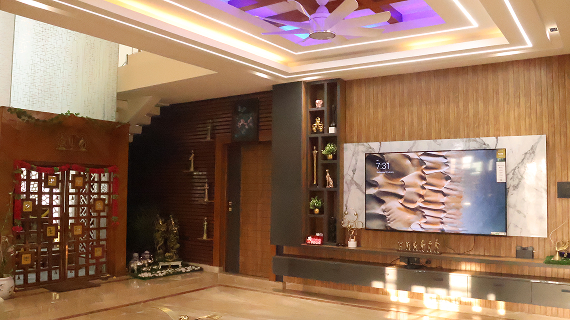
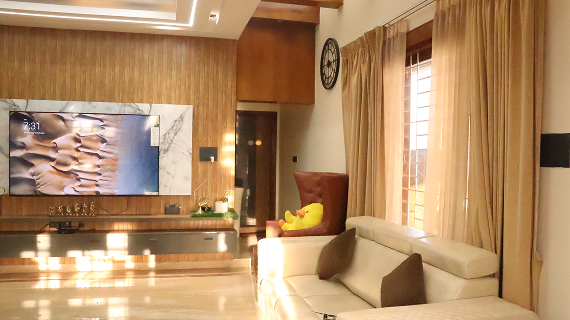
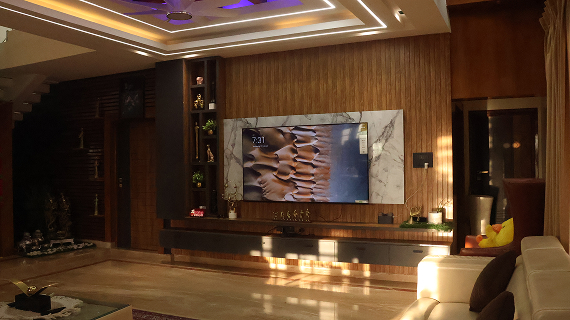
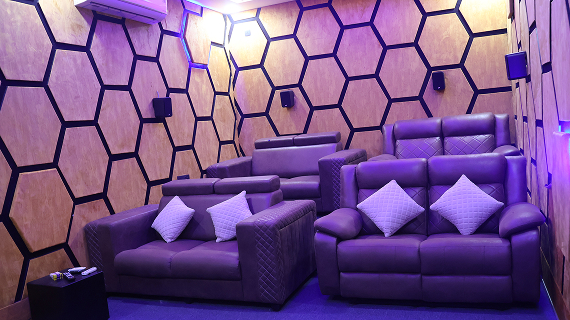
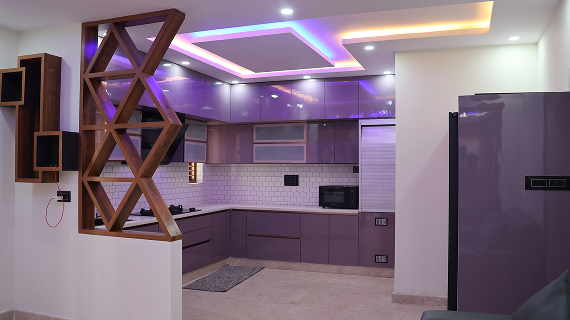
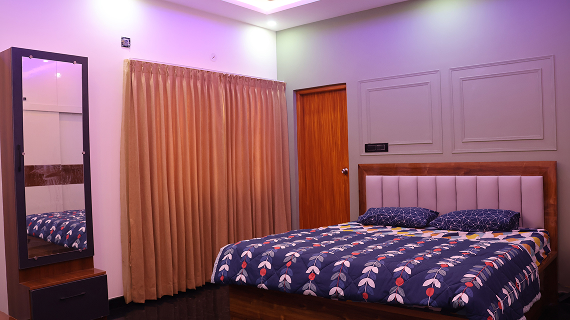
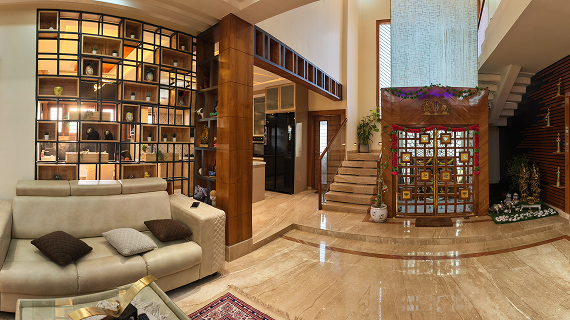
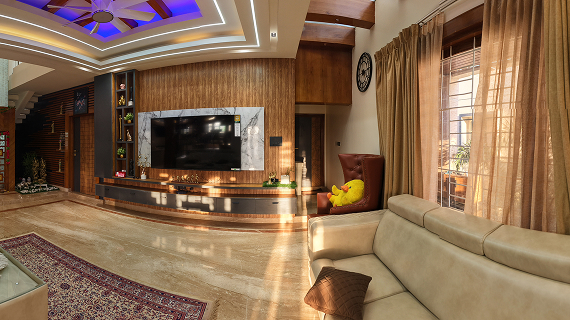
Interior design, often referred to as interior architecture, focuses on creating functional, aesthetically pleasing, and purpose-driven spaces within various built environments. Whether it's a commercial office, a retail store, a restaurant, or a residential property, site interior design revolves around optimizing the use of available space while ensuring harmony between form and function.
The process of site interior design begins with understanding the purpose and requirements of the space. Designers collaborate closely with clients to grasp their needs, preferences, and the intended use of the area. This initial phase involves thorough discussions, site visits, and assessments to identify key elements that will shape the design, such as the flow of movement, lighting requirements, spatial layout, and desired ambiance.
How can we help?
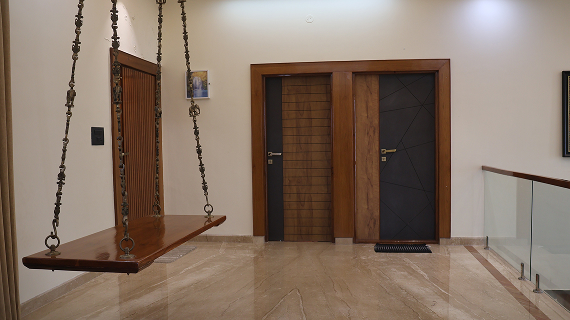
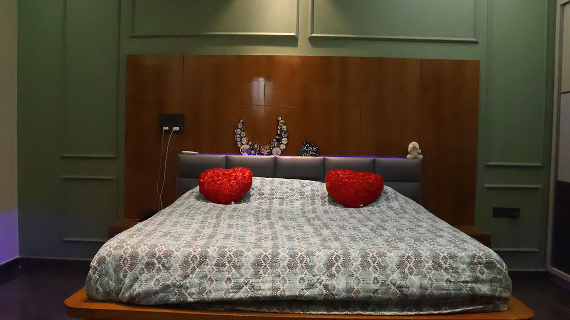
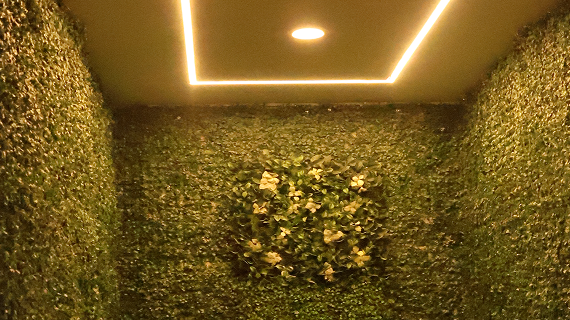
Materials, colors, textures, and finishes play a pivotal role in defining the character and atmosphere of a space. Designers carefully select these elements to evoke desired emotions, convey brand identities (in commercial spaces), and create a cohesive aesthetic. Whether it's using warm tones and natural materials to foster a cozy ambiance in a cafe or employing sleek, modern finishes for a professional office environment, the choice of materials significantly influences the overall design outcome.
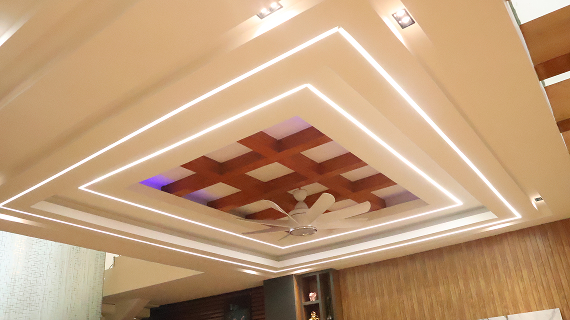
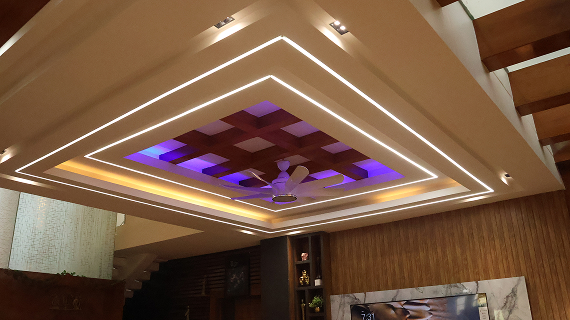
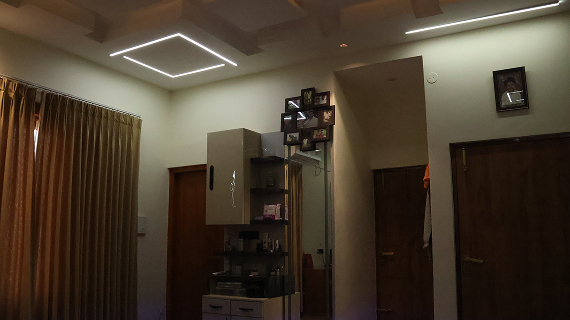
Moreover, site interior design encompasses the integration of various design elements, including furniture, lighting, wall treatments, and accessories. These elements not only contribute to the visual appeal of a space but also impact its functionality and comfort. Designers pay attention to details like ergonomic furniture for comfort, strategic lighting to set moods and highlight features, and innovative design solutions to optimize storage and usability.
The role of technology in site interior design is also evolving. Designers often utilize advanced software and digital tools for visualization, allowing clients to better understand proposed designs through 3D models or virtual reality simulations. Additionally, sustainable design practices have become increasingly important, with designers incorporating eco-friendly materials and energy-efficient solutions to create environmentally conscious interiors.
In essence, site interior design is a multidimensional process that combines creativity, functionality, and client collaboration to transform spaces into engaging, purposeful, and visually captivating environments. It's about crafting an experience that resonates with the intended users while considering the practical aspects of the space.